Turmoil and the Importance of Self Care
Turmoil and the Importance of Self Care
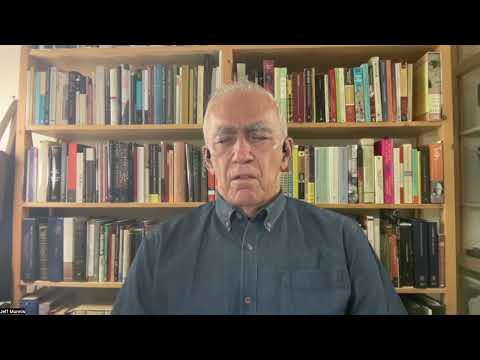
A message channeled by Rev. Jeff Munnis on March 2, 2025 about how to deal with the turmoil in the world at this time, and how to take care of ourselves.
Transcript
There are many people in the world right now who would like to turn upside down the meaning of words like morality, and empathy, and righteousness. But these words, the origin of these words come down to us from a spiritual tradition that is at our source, that is within us, and we would say, even connected to our hearts, such that in any circumstance, a person who has looked inward is going to feel a sense of morality. They’re going to feel empathy. They’re going to feel or have a sense of righteousness. And righteousness seeks the truth. Righteousness seeks understanding. It seeks relationship. For those that naturally seek these ways of living, it would be easy to turn off or turn away from these sensibilities, given the onslaught of lies, lack of compassion, the heartless efforts of people to control and manipulate how we understand ourselves. But everyone here is called to a different kind of relationship. And it is important to remember not to try to be in relationship beyond that circle of one’s own influence and concern. That trying to see the world in a specific way, and thinking that your own consciousness, and your own truthfulness is going to change the world will just lead to more anxiety. It can change the world, and it will change relationships, but it has to begin so close to us—in the people that we see every day, in the people that we encounter in our day-to-day routines, our day-to-day work, our relationship with our family and friends and those that are close to us, that this kind of relationship is where we give our comfort. It’s where we have compassion. It’s where we listen. It’s where we speak the truth. It’s where we have our most intimate encounters with God. And this light that is within all of us, the spark of that light is initiated with these small moments between those people that we have a relationship with. And we can extend that circle, it’s not that we don’t have the ability to do that, it’s just that our first effort is like a doubling of our effort to be loving, to do loving things for each other.
When we are in this state of giving and loving, this is the time when our meditation and our reflection bear the most fruit, so that a day that we have lived with this kind of openness and acceptance of ourselves and others, when we return to meditate or to pray, our awareness reaches into a more expansive consciousness for us. And then, when we are in that expansive consciousness, that is where we are renewed and strengthened. And each day becomes an exercise that builds our spiritual strength rather than depleting our strength.
It is important during these times also that when we encounter conflict, or that when we encounter disregard or disrespect or hateful behavior, in order for us to practice our own self-care, we need to turn away. Not that we can’t re-engage later when things are different, but we need to turn away for our own self-care, and go back to those things where we do have an ability to care, an ability to be engaged in a mutual conversation, remembering again that our conversation is not with the rest of the world, but in our more intimate relationships where we build and comfort each another on our soul journey. The growth of our soul is dependent on this kind of truth and this kind of patience for each of us.
There is going to be more turmoil in the world. There is going to be more agitation. And knowing this, our patience is important because it is a long-term proposition for us in this community and in this nation. It’s not a matter of 3 or 4 years, it’s more a longer cycle of time, and so learning how to find our comfort and to find our renewal in that longer cycle of time is important, not only for our own well-being, but we become a model and mentors to others who have a similar sensitivity and a similar need to deepen their spiritual life.
And even though the goal of our spiritual life is not in an afterlife, there is a comfort in knowing that our effort extends beyond this life. It extends beyond the physical realm in which we live. For each of us in this group, there is the possibility that in our dreams, and in our consciousness, there are ways for us to connect to the Divine, ways in which the things that we see and the things that we hear guide us and lead us. Once we are participating in that realm in conversation, then those ideas, those understandings that we have of God become more fully present for us. They extend in a sense into different dimensions of our own being, so that when we sleep or when we meditate or when we enter into those unconscious realms, we rest deeper in that comfort, deeper in that knowledge of who we are. And all of those parts of ourselves that give us anxiety, the parts of ourselves that seek a different kind of security, we learn how little they contribute to our true being, our true understanding of who we are. And when we realize that it’s a false self that is experiencing much of this anxiety, that it is a false self that engages in the unproductive conversations that are occurring in the world, then we begin to see what parts of ourselves need to be released, what parts of ourselves can be unburdened from us. It is a mental and spiritual burden to take on the anxiety of the world and of places and people over whom we have no influence and no ability to care for, except through our prayers and our meditations, except for our efforts to raise our own consciousness. So that effort of raising our own consciousness that is so intimate and so personal and so close to us, continues to be the place where our work is most fruitful and most valuable not just to us but to the world.
Question:
(When I sink down into profound gratitude lately, what rises and pushes up and out is deep unworthiness. Do you have suggestions for working with or meeting this?)
You might call it a spiritual mechanism, this movement in one direction, and then something that comes in the opposite direction. There are two things that we can understand about that. One is that we have to be careful what part of us, and it’s usually the ego, that pushes in a direction against the control of the ego or the diminishment of the ego’s power. And so, when we feel gratitude, sometimes that would immediately be followed by a sense of, “Do we deserve what we are receiving?” And the truth is that we deserve all of the grace, and all of the love, and all of the gratitude that there is to be found in the world and in God. And it’s helpful to remember that there’s a big difference between humility, and this feeling of unworthiness. It’s easy for some people to confuse unworthiness with humility. But humility is sitting in right relationship with ourselves and the people around us. When we’re humble, we can acknowledge our gifts because we understand know they can best be used and when they should be used. And we can give our gifts and recognize our talents at the same time as having gratitude for those, and by honoring those talents in ourselves and the gifts that they can give to others. But if we get caught in a feeling of being unworthy, especially if that feeling of unworthiness makes us withhold our gifts or withhold our ability to help and be present for others, then we understand that sense of being unworthy is coming from an egoic perspective. Yes, we all have difficult moments. We have times when we feel like we’re ruled by our emotions, or we’re ruled by our insecurity or anxiety, or we might be ruled by things that we hunger for, but those are all temporary. If we can find that we can let go of them, we’ll discover that really there is no need for us to be attached to those emotions or to those desires, that we can find a different kind of grounding within the natural movements within us that are connected to our essence, that are connected do those very authentic parts of us that can acknowledge who we are, that can acknowledge with humility our capacities, our talents, our ability to give, but also acknowledges our ability to receive—these things can come into a different balance when we realize that everything that is of value in the universe is within us. And even though we might feel unworthy, we still hold in our life, and in our soul, the most precious, the most valuable component of all creation because that component is so intimately connected with God.
So, we don’t want to limit our ability to connect to that source of our life and our love. We want to be sure that that part of us is worthy of what we hold within us and what is also around us that holds us so that we both can be a vessel of holding, comforting, listening, witnessing, at the same time we are heard and seen, and given the grace of God in our lives. So that is the movement toward God—that balance that has humility, but also understands that we’re worthy, and that we have self-esteem that comes from our true source of identity and being. We don’t need to apologize for it or be falsely humble in the sense of feeling unworthy. That doesn’t serve us. And we are all worthy. We are all worth it, all worthy of being in the presence of God. There’s no barrier. The invitation to us is complete. It sits around us and inside of us always waiting to respond. We just need to say yes.